Why roof cleaning matters for Illawarra coast homes
Coastal homes face unique weather. Salt air settles on roof tiles, trapping moisture and encouraging organic growth. Over time, moss roots push under tiles, lifting them and creating gaps for water to enter. Algae and lichen stain the surface, making your home look neglected. Routine roof cleaning removes this buildup before it causes structural damage.
The Illawarra region also sees heavy rainfall and strong winds. Debris and organic matter block gutters, forcing rainwater over the edges and against walls. This can lead to damp internal ceilings and mould inside your home. By including gutter cleaning with your roof cleaning service, you prevent water damage from the top down.
Regular maintenance extends the life of your roof by years. A clean surface is easier to inspect for cracked tiles, corroded flashings, or loose ridge caps. Local roofers will spot problems early and fix them before they become expensive headaches. A homeowner in Kiama recently avoided a $4,000 ceiling repair bill because their roof cleaner caught a lifted ridge cap during an inspection.
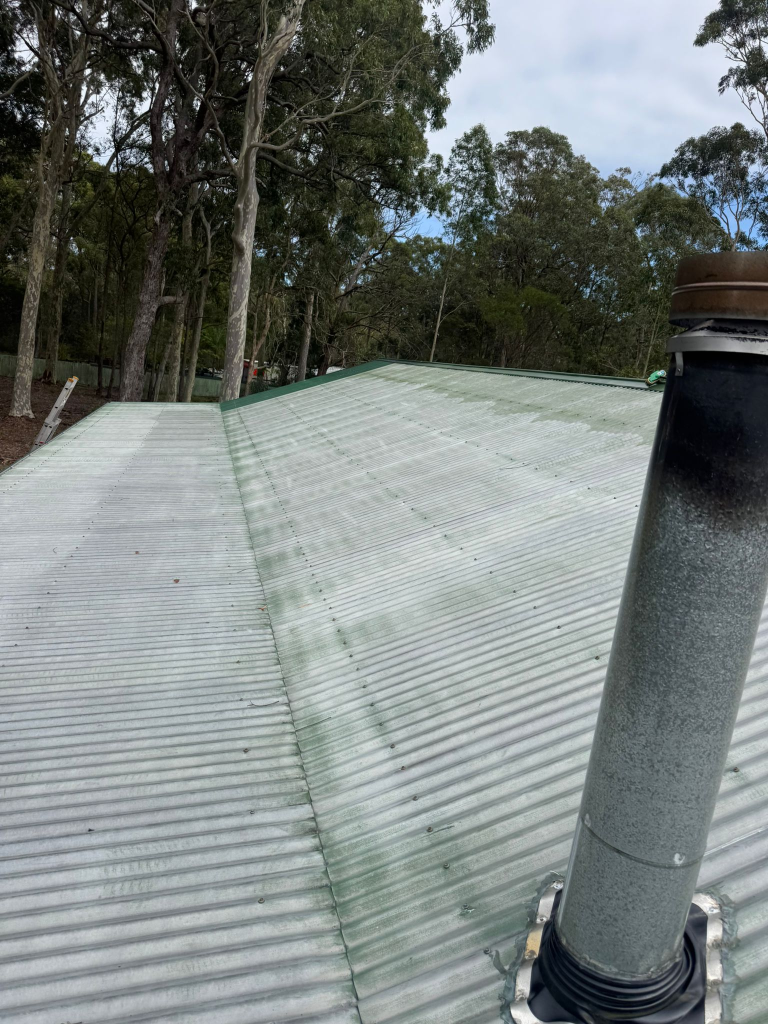
Pressure washing vs soft washing for your roof
Not all roof cleaning methods are the same. Choosing the wrong one can damage tiles or strip protective coatings. Here's how the two main techniques compare.
Pressure washing
- Best for: heavy moss, built-up grime, concrete tiles.
- Water pressure: high (2,000–3,000 psi).
- Risk: can dislodge tiles, strip coatings, or force water under edges.
- Suits: concrete tile roofs and non-porous surfaces.
Soft washing
- Best for: regular cleaning, lichen, algae, salt residue.
- Water pressure: low (100–200 psi).
- Risk: minimal — uses biodegradable chemicals to kill growth at the root.
- Suits: tile roof cleaning, metal roofs, slate, and terracotta.
For most Illawarra homes, soft washing is the safer, longer-lasting choice. It kills moss and algae without blasting the granules off your tiles. Pressure washing has its place for concrete tiles with thick moss, but must be done by an experienced team who knows how to protect the roof. A common mistake is using high pressure on terracotta tiles, which can crack them. Ask your contractor which method they recommend for your specific roof type.
The full roof cleaning process on the Illawarra coast
A professional roof cleaning job follows a systematic approach to deliver lasting results. Here's what you can expect when you book a service.
Inspection and preparation
Your roofers walk the roof to assess damage, loose tiles, and the extent of moss or lichen. They cover plants, windows, and outdoor furniture with tarpaulins. Gutters are cleared of debris so water can flow freely during cleaning. This step also includes checking for any asbestos cement sheets that require special handling.
Application of cleaning solution
For soft washing, the team applies a biodegradable fungicide and algaecide. This chemical treatment soaks into moss roots and kills the organic growth without scrubbing. For pressure washing, a pre-wet solution is applied to reduce friction and protect the surface. The chemicals used on the Illawarra coast are chosen to work effectively in high humidity.
Gentle cleaning
Using low-pressure nozzles, the roof is rinsed from top to bottom. The dead moss and dirt wash off into the gutters and down the downpipes. The team avoids high-pressure jets on ridge caps and valleys to prevent water intrusion. In Shellharbour, a recent job required extra care on a 60-year-old slate roof.
Moss removal and spot treatment
Stubborn patches of moss are removed by hand or with a soft brush. The crew also treats any remaining lichen with a targeted spray. This step ensures the roof is completely clean and ready for the next phase. For roofs with heavy lichen, a second application may be needed after a few days.
Gutter cleaning and final rinse
After the roof is dry, gutters are flushed again to remove any dislodged debris. Downpipes are checked for blockages. A final rinse cleans the gutters and leaves the entire system flowing freely. This prevents water damage to fascias and walls.
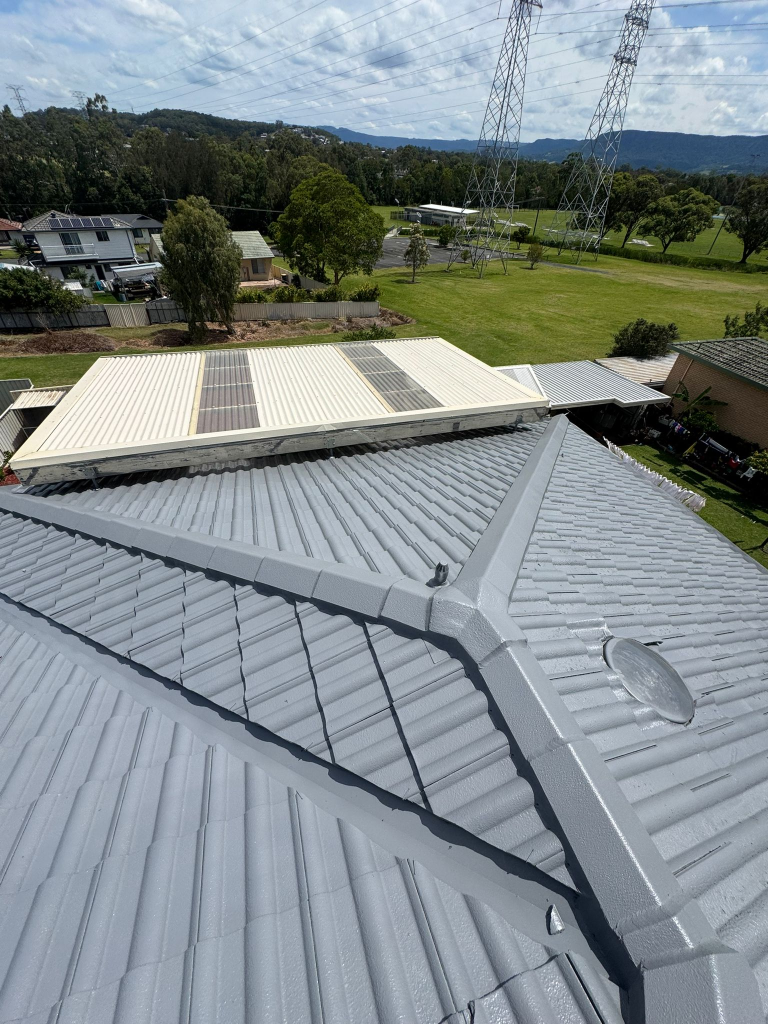
Additional services that complement roof cleaning
A clean roof is the perfect foundation for restoration work. Many homeowners follow up with roof restoration to refresh the colour and add a protective coating. Roof painting provides a weatherproof barrier that reflects heat and resists future moss growth. A typical restoration on a Wollongong home can add 10 years to the roof's lifespan.
For older roofs, repointing may be needed. The mortar between tiles can crack or fall out, allowing water to enter. Replacing it with a flexible compound seals the roof and improves its strength. Repointing is often combined with cleaning because the process exposes the joints.
If your roof has missing or broken tiles, a repair should happen before cleaning to prevent further damage. The best approach is to combine roof cleaning with a full inspection and any necessary repairs. This saves time and money compared to separate visits. We offer packages that include cleaning, repointing, and a protective coating in one go.
Why choose local Illawarra roofers for the job
The Illawarra coast has its own climate patterns. A roof cleaner from Sydney may not understand the specific challenges of a Kiama or Shellharbour home. Local roofers know which cleaning solutions work best in salty air and high humidity. They also have relationships with local hardware suppliers, meaning faster turnaround times.
Your home is your biggest investment. Using experienced Illawarra roofers gives you peace of mind. They carry insurance for accidental damage and will provide a clear quote before starting work. Look for a team that offers both pressure washing and soft washing, and ask which one they recommend for your roof type. A local contractor will also be familiar with council regulations regarding runoff and chemical use.
Schedule your roof cleaning today
Don't wait until a small patch of moss turns into a leak that costs thousands. A professional clean extends the lifespan of your roof, improves your home's appearance, and prevents hidden damage. The team at Willows Roofing can inspect your roof and recommend the best approach. If your roof needs more than cleaning, we also provide professional roof restoration to bring it back to like-new condition. Call 0436 443 898 for a free, no-obligation quote.
Frequently asked questions
How often should I clean my roof on the Illawarra coast?
In coastal areas, aim for a professional clean every two to three years. Homes surrounded by trees or in very damp spots may need annual cleaning. Regular inspections help you catch moss early before it takes hold.
Is soft washing safe for my roof tiles?
Yes. Soft washing uses low-pressure water and biodegradable chemicals that kill moss at the roots without lifting or cracking tiles. It's the recommended method for terracotta, slate, and older concrete tiles.
Will cleaning my roof remove existing algae stains?
Yes. Both pressure washing and soft washing remove algae, lichen, and dirt. Soft washing also leaves a residue that deters regrowth for months. For stubborn stains, a follow-up treatment may be needed.
Does roof cleaning include gutter cleaning?
Most professional packages include gutter cleaning as part of the service. It's important to clear gutters after roof washing so debris doesn't block water flow. Confirm with your contractor before booking.
Can roof cleaning prevent leaks?
Indirectly, yes. By removing moss that lifts tiles and clearing gutters that overflow, you reduce the main causes of roof leaks. A clean roof also makes it easier to spot cracked tiles or damaged flashings that could leak if left unchecked.
How long does a professional roof cleaning take?
For an average Illawarra home, expect the job to take four to six hours. Larger or heavily soiled roofs may need a full day. The crew will give you a time estimate during the quote.
What happens if it rains after cleaning?
The biodegradable chemicals used in soft washing are designed to withstand light rain after they dry. Your contractor will schedule the job for a clear day with at least 24 hours of dry weather to ensure the treatment works effectively.